

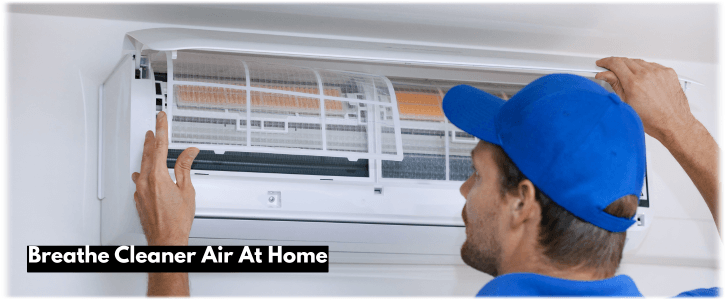
Musty odors from your air conditioner may signal moisture problems inside your cooling system. Professional HVAC mold removal in Leesburg helps homeowners address suspected contamination and protect essential ventilation components. Loudoun County’s humid summers can encourage microbial growth around damp coils, drain pans, and insulation. However, surface cleaning alone cannot resolve persistent moisture problems. Our team helps identify potential concerns and determine suitable solutions. Call (571) 582-0782 today to discuss your system and request an evaluation.
Professional HVAC Mold Removal in Leesburg
Your heating and cooling equipment circulates conditioned air throughout your home. Unfortunately, condensation and drainage problems can create favorable conditions for mold.
Our approach begins with examining accessible HVAC components and identifying moisture sources. Additionally, we evaluate visible discoloration around cooling equipment and nearby materials.
Effective HVAC mold remediation requires appropriate removal methods and moisture correction. Therefore, qualified professionals must evaluate affected components before recommending treatment.
Whether your home sits near Historic Downtown Leesburg or Lansdowne, early attention helps reduce the risk of additional moisture damage.
Signs You Need HVAC Mold Removal in Leesburg
Contamination may develop without obvious warning. Nevertheless, certain conditions suggest your HVAC system deserves professional attention.
Persistent musty odors: Unpleasant smells appear when your air conditioner starts or operates.
Visible discoloration: Suspicious patches develop around accessible equipment, vents, or insulation.
Standing water: Moisture accumulates near condensate pans or surrounding mechanical components.
Recurring condensation: Water repeatedly collects around cooling equipment or nearby surfaces.
Previous water damage: Plumbing leaks or flooding expose ventilation components to prolonged moisture.
These symptoms do not automatically confirm mold. Consequently, professional evaluation helps distinguish contamination from ordinary dust or staining.
Our Approach to HVAC Mold Treatment
Appropriate air conditioner mold removal begins with identifying affected areas and underlying moisture problems. First, technicians discuss your concerns and examine accessible components.
Next, they evaluate drainage conditions, visible contamination, and surrounding materials. When necessary, qualified specialists determine suitable containment and removal procedures.
Some nonporous surfaces may allow appropriate cleaning. However, extensively contaminated porous materials may require replacement.
Additionally, professionals must correct persistent moisture problems to reduce recurring growth. We explain relevant findings and help homeowners understand practical next steps.
Why Leesburg HVAC Systems Face Mold Risks
Leesburg experiences humid summers, seasonal rainfall, and extended cooling periods. As a result, air conditioning equipment regularly removes moisture from indoor air.
Homes around Potomac Station and Exeter may feature different cooling equipment configurations. Meanwhile, older properties near Historic Downtown Leesburg sometimes contain aging ventilation components.
Furthermore, poorly insulated surfaces can develop condensation when warm, humid air contacts cooler equipment. Blocked condensate drains may also allow water to accumulate.
Routine maintenance helps homeowners recognize these conditions before they create larger problems.
Preventing Mold Around Cooling Equipment
Moisture management plays an important role in preventing recurring contamination. Fortunately, several practical maintenance habits can help.
Maintain indoor humidity below 60%, ideally between 30% and 50%. Additionally, replace HVAC filters according to manufacturer recommendations.
Check accessible drainage areas for unusual moisture accumulation. Also, repair leaks promptly and keep ventilation openings unobstructed.
Professional HVAC system maintenance can help identify developing drainage concerns. However, suspected mold requires appropriate assessment before treatment.
Related Home Ventilation Maintenance
Moisture problems sometimes affect several parts of your ventilation system. Therefore, additional maintenance may help address connected concerns.
Air duct mold removal focuses on contamination inside affected ventilation pathways. Meanwhile, ductwork inspection helps identify damaged connections and moisture intrusion.
AC coil cleaning addresses dirt buildup around cooling surfaces. Additionally, air duct cleaning can remove accumulated debris when system conditions justify service.
Homeowners may also consider attic cleaning when debris or moisture affects spaces above living areas.
Each service addresses different maintenance needs. Consequently, accurate evaluation helps homeowners choose appropriate solutions.
Frequently Asked Questions
Can mold grow inside residential HVAC equipment?
Yes. Mold can develop on suitable surfaces when moisture remains around cooling coils, drain pans, or insulation. However, professional assessment helps identify actual contamination.
Will mold return after HVAC treatment?
Mold may return when leaks, condensation, or excessive humidity remain unresolved. Therefore, effective remediation must address moisture sources alongside affected materials.
Do you offer HVAC mold removal throughout Leesburg?
Yes. We provide HVAC mold removal in Leesburg, including Lansdowne, Potomac Station, and neighborhoods near Historic Downtown. Call (571) 582-0782 to discuss suspected contamination and request an evaluation.
Address HVAC Mold Concerns Before They Grow
Don’t ignore persistent musty odors, condensation, or suspicious buildup around your cooling equipment. Early evaluation can help identify moisture sources and appropriate treatment options. Call (571) 582-0782 today to schedule professional HVAC mold removal in Leesburg.